Communications and records
Emails, text messages, call records, chat applications and messaging metadata that may establish contact patterns, timing or content relevant to a dispute.
ProFact provides mobile phone forensics and computer forensics across Australia, including mobile forensics and mobile device forensics. This work sits within digital forensics: the forensic recovery, preservation and interpretation of data from devices and accounts. ProFact arranges digital evidence recovery for legal firms, insurers, corporate clients and private briefs, with acquisitions conducted under documented chain-of-custody and reporting suited to workplace investigations, disputes and civil litigation.
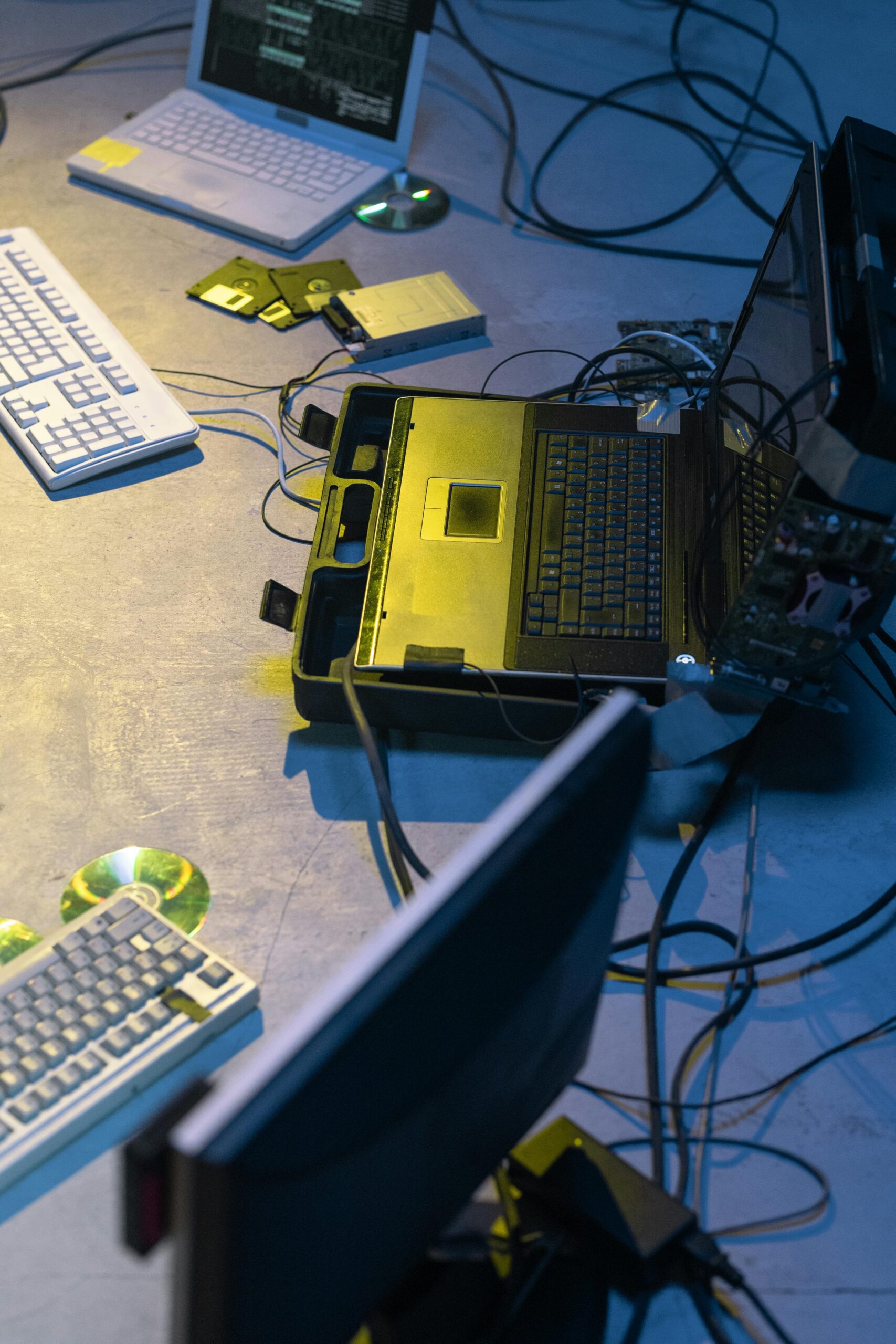
Clients search for computer forensics, mobile phone forensics and phone data recovery when a device may hold the facts that matter. ProFact coordinates digital forensics investigations that preserve data integrity from first contact, explain findings in plain language, and support court-admissible investigation workflows where proceedings are anticipated.
Forensic imaging and analysis of laptops, desktops, servers and external drives to recover documents, email, browsing activity and deleted files without altering source evidence.
Extraction and interpretation of SMS, WhatsApp, call logs, GPS data, photos, videos and app data from iPhone and Android devices where lawful access is available.
Structured work on deleted data, corrupted devices and hidden files, with original material hashed and preserved so findings can be reviewed with confidence.
Reporting from digital forensics experts structured for solicitor files, insurance disputes and tribunal review. ProFact does not provide legal advice on admissibility.
ProFact arranges computer forensics, mobile phone forensics and digital evidence recovery as part of broader digital forensics investigations for legal firms, insurers, corporate clients and private briefs nationwide. Whether you need forensic imaging of a workstation, phone data recovery from an iPhone or Android device, or review of deleted files on external media, each instruction is scoped by a senior investigator to the devices, accounts and recovery objectives that matter. Reporting is structured for workplace inquiries, fraud matters, family disputes and civil litigation where digital evidence may be relied upon.
Computer forensics covers forensic acquisition and analysis of laptops, desktops, servers and external drives without altering source evidence. ProFact briefs digital forensics experts to create hashed forensic images, recover deleted files, review email and document stores, examine browsing and user activity, and reconstruct timelines relevant to employee misconduct, fraud, IP misappropriation or litigation. Work may include Windows, macOS and server environments where lawful access and storage volume allow targeted analysis rather than unfocused processing.
Mobile phone forensics focuses on lawful extraction and interpretation of data from iPhone and Android devices. Common targets include SMS and MMS messages, WhatsApp and other chat applications, call logs, contact lists, installed applications and account artefacts. Mobile forensics scope depends on device model, operating system version, passcode or encryption status and the authority under which the phone can be examined. ProFact advises at intake what physical access, credentials or legal basis may be required before extraction begins.
Phones and tablets often carry location history, camera rolls and screen recordings that may support or challenge a version of events. ProFact coordinates review of GPS data, geotagged photos, downloaded videos and media metadata to help instructing parties understand movement patterns, timing or content creation where the underlying files are forensically accessible and lawfully obtained.
Phone data recovery and computer file recovery remain among the most common reasons clients brief a forensic investigator. ProFact arranges work on deleted data, partially overwritten files, corrupted storage and hidden partitions where methodology supports reliable results. Early preservation guidance reduces the risk of further data loss before forensic imaging or extraction takes place.
Digital forensics investigations increasingly extend beyond a single device to cloud accounts, synced backups and messaging platforms. Where lawful access is available, analysis may cover stored email, drive content, backup images and account activity that complements on-device findings. Scope is agreed in writing before account review begins.
Findings are compiled by digital forensics experts in plain language with acquisition notes, recovered item indexes and timeline commentary suited to solicitor review, insurance disputes, HR investigation or private decision-making. ProFact does not provide legal advice on admissibility, but reporting is designed to support court-admissible investigation workflows where proceedings are anticipated.
Digital forensics investigations can surface many categories of stored and cloud-based material. ProFact scopes analysis to the evidence types that matter for your brief rather than processing every byte without purpose.
Emails, text messages, call records, chat applications and messaging metadata that may establish contact patterns, timing or content relevant to a dispute.
Recovered files, attachments, camera rolls and screen captures from computers and mobile devices, including material that may have been deleted or moved.
Browsing history, downloads, social media artefacts and account activity stored on devices or synced accounts where lawful acquisition is available.
GPS data, location services history and selected cloud account content that may support timeline reconstruction or identity of use.
Computer and mobile forensics supports a wide range of private, corporate and legal instructions. ProFact is briefed when stored data may confirm or challenge what is claimed in a dispute.
Matters involving infidelity concerns, parenting disputes, harassment or communications that may be relevant to family law files when lawfully scoped.
Investigations into policy breaches, misuse of company devices, unauthorised data transfers or conduct evidenced on work-issued phones and computers.
Corporate and private briefs where financial fraud, account compromise, IP misappropriation or unauthorised access may be shown through device and account analysis.
Recovery and review of messages, posts, emails or media that may support harassment, bullying or defamation inquiries when devices or accounts are lawfully available.
Digital forensics investigations follow a disciplined sequence so evidence integrity is preserved from first instruction through to reporting.
Submit a digital forensics briefDevices and accounts are secured to prevent spoliation. ProFact advises on immediate steps before acquisition begins.
Lawful forensic imaging or extraction is performed with documented chain-of-custody and hashed working copies.
Relevant data sets are isolated from images or devices according to agreed scope and technical feasibility.
Digital forensics experts interpret recovered material, correlate timelines and document what the data supports.
Findings are compiled in plain language for instructing solicitors, insurers, corporate clients or private briefs.
Device data can decide a matter, but mishandled acquisition destroys value. ProFact is a licensed private investigation practice that coordinates digital forensics experts for computer forensics, mobile forensics and digital evidence recovery nationwide.

Examiners use forensic imaging and extraction methods designed to preserve source integrity, with hashed copies and documented handling suited to review and proceedings.
Briefs span workstations, servers, external media, iPhone and Android devices, and selected cloud accounts where lawful access is available.
Findings explain what was recovered, how it was obtained and what it may establish, without unnecessary technical jargon for instructing parties.
Where a matter also needs forensic audio and video analysis, forensic handwriting examination or field inquiry, ProFact can scope related capability under senior investigator oversight.
Straight answers on computer forensics, mobile phone forensics and digital evidence recovery in Australia. For broader licensing topics, see our Australian private investigator FAQ.
Computer and mobile forensics is the forensic acquisition, preservation and analysis of data from computers, phones, tablets, removable media and cloud accounts. It sits within the broader field of digital forensics. ProFact coordinates qualified forensic examiners who work under documented chain-of-custody so digital evidence can be reviewed with confidence in workplace, family, fraud and litigation matters.
Common instructions cover laptops, desktops, servers, external drives, iPhone and Android devices, tablets, backup images and selected cloud accounts. Scope depends on lawful authority, device condition and what is required for the brief. ProFact reviews your matter at intake before recommending acquisition or analysis.
Forensically acquired material can support affidavit, mediation, hearing or tribunal review when collected and reported correctly. ProFact arranges examination and reporting suited to formal scrutiny, including hashed images and documented methodology. ProFact does not provide legal advice on admissibility; instructing solicitors decide how findings are used.
Fees depend on device type, storage volume, number of accounts, analysis depth and reporting requirements. A targeted mobile extraction is scoped differently from multi-device workplace investigations. ProFact provides confidential scoping and written quotation before work begins. See our PI cost calculator for indicative guides, then submit your brief for a scoped quote.
Desktop and OSINT investigations focus on publicly available online material and public records. Computer and mobile forensics involves forensic acquisition and examination of devices, accounts and stored data. If your matter requires phone extraction, deleted-file recovery or malware review, that is briefed as digital forensics rather than desktop OSINT alone.
Yes. Confidentiality is central to forensic work. ProFact does not disclose client identity, brief details or findings to third parties without your instruction or a valid legal requirement to do so. Reports are released only to instructed parties unless scope or law requires otherwise. For broader licensing topics, see our Australian private investigator FAQ.
Consultations are conducted by a senior investigator. We will scope the matter, confirm capability and provide written terms before any forensic acquisition or analysis begins.
Want facts. Get facts. ProFact.