Can a Private Investigator Access CCTV Footage?
CCTV footage can provide valuable evidence in investigations involving theft, insurance fraud, workplace misconduct, suspicious activity, and personal disputes. However, accessing surveillance recordings is not always straightforward. Can a private investigator access CCTV footage? Yes, a private investigator may be able to obtain CCTV footage legally, but access depends on who owns the camera system, who controls the recordings, the purpose of the investigation, and the applicable privacy laws.
Private investigators do not have unrestricted access to security cameras, private surveillance systems, or business recording databases. They generally need permission from the CCTV owner, lawful authority, or another valid legal basis to obtain the footage. A professional investigator can help identify relevant CCTV systems, request available recordings, and determine whether other lawful investigative methods, such as CCTV forensic analysis, may be necessary.
ProFact provides professional investigative services to help individuals and businesses obtain reliable information through lawful investigative methods. Whether you need assistance with a personal matter, an insurance investigation, or a commercial dispute, understanding how CCTV footage can be accessed is an important first step.
Can a Private Investigator Legally Access CCTV Footage?
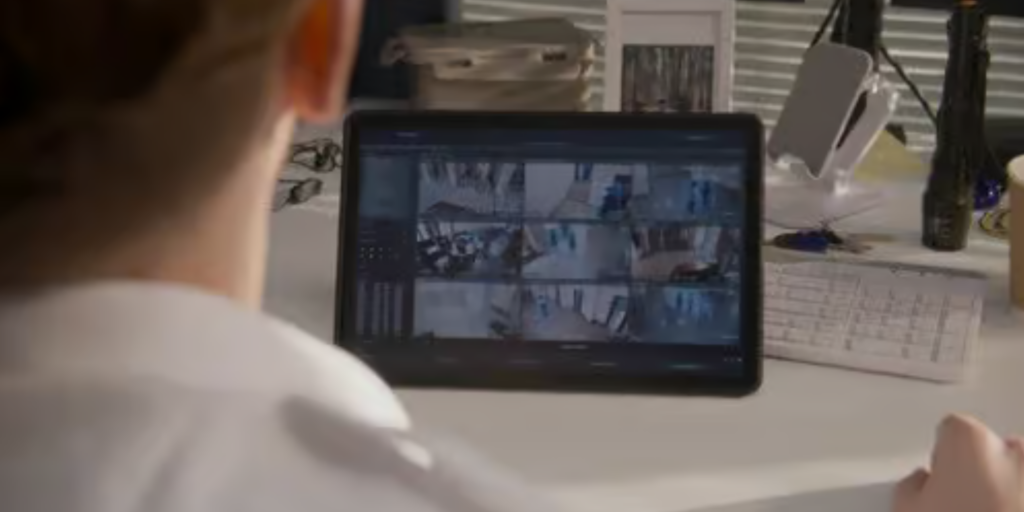
A private investigator can legally access CCTV footage in certain circumstances, particularly when the footage owner voluntarily provides it or when access is otherwise authorised by law.
However, a private investigator does not have the same powers as a police officer. A private investigator cannot automatically demand recordings from a business, enter restricted premises, access password-protected surveillance systems, or obtain footage simply because it may be relevant to an investigation.
The legality of accessing CCTV footage depends on several factors:
- Permission: Has the CCTV owner or authorised person agreed to provide the recording?
- Ownership: Who owns or controls the surveillance system and its recordings?
- Privacy: Does accessing or disclosing the footage comply with applicable privacy laws?
- Purpose: Is the recording being requested for a legitimate investigative purpose?
- Legal authority: Is there a valid legal basis, court order, or other applicable authority for obtaining the footage?
For example, a shop owner investigating repeated thefts may voluntarily provide CCTV footage to a licensed private investigator. The investigator can review the recording as part of the investigation, provided the access and use are lawful.
However, attempting to obtain recordings by impersonating a police officer, bypassing security controls, or accessing a private surveillance system without authorisation may be unlawful.
How Can a Private Investigator Obtain CCTV Footage?
A private investigator may use several lawful approaches to obtain CCTV footage, depending on the circumstances of the case.
1. Requesting Footage from the CCTV Owner
One of the most common approaches is to request footage directly from the person or organisation responsible for the surveillance system.
CCTV cameras may be installed in:
- Retail stores and shopping centres
- Office buildings and commercial premises
- Residential apartment complexes
- Car parks and public-facing business entrances
- Warehouses and industrial facilities
- Private homes
If the footage is relevant to an investigation, the investigator may contact the CCTV owner or authorised manager and explain why the recording is being requested.
For example, if a vehicle was damaged in a shopping centre car park, a private investigator may identify the relevant cameras and ask the property manager whether footage from the incident can be released.
The owner may agree to provide the recording, decline the request, or require additional information before considering disclosure.
2. Working with Businesses and Property Managers
Businesses often operate CCTV systems for security, safety, and loss prevention.
When an investigation involves suspected employee misconduct, fraudulent insurance claims, theft, or property damage, a private investigator may communicate with the relevant business or property manager.
A CCTV surveillance investigation may involve identifying the location of cameras, determining whether recordings exist, and requesting footage covering a specific date and time.
However, businesses must consider their own legal obligations before disclosing recordings. The fact that a private investigator is licensed does not automatically mean the business can release footage without considering privacy and other applicable requirements.
3. Obtaining Footage Through an Authorised Client
In some cases, a client may already have lawful access to CCTV footage.
For example, a business owner may have access to their company’s security system, or a property owner may control recordings from cameras installed on their premises.
The client may be able to provide relevant footage to a private investigator for review, subject to applicable legal restrictions.
A professional investigator should establish that the client has the necessary authority before accepting or reviewing the recordings.
4. Preserving CCTV Footage Before It Is Deleted
CCTV recordings are not always retained for long periods. Some surveillance systems automatically overwrite older recordings when storage capacity is reached.
This can create challenges when an investigation begins several days or weeks after an incident.
A private investigator may help identify relevant CCTV systems and request that the footage be preserved before it is deleted.
For example, if a workplace incident occurred on Monday, the investigator may contact the relevant business promptly to request preservation of the recording.
Preserving footage does not automatically guarantee access. The owner must still consider whether disclosure is lawful and appropriate.
Can a Private Investigator Access CCTV Footage Without Permission?
Generally, a private investigator cannot access CCTV footage simply because it could help solve a case.
Accessing a private surveillance system without authorisation may involve unlawful access, privacy violations, or other legal consequences.
A private investigator should not:
- Hack into CCTV systems or security networks.
- Guess or steal passwords to access recordings.
- Impersonate a police officer or another authorised person.
- Enter restricted areas to obtain surveillance footage.
- Install recording equipment where doing so would be unlawful.
- Obtain or disclose personal information without a valid legal basis.
The rules can differ depending on the location, the type of surveillance system, and the circumstances of the investigation.
For example, footage recorded in a public-facing area may raise different legal considerations from recordings captured inside a private residence, workplace, or restricted facility.
A licensed investigator must assess the circumstances before attempting to obtain or use surveillance recordings.
What Is a CCTV Surveillance Investigation?
A CCTV surveillance investigation involves examining security camera recordings to establish facts about an incident, activity, or individual.
CCTV footage may help investigators determine what happened, when it happened, and whether the available evidence supports a particular claim.
A CCTV surveillance investigation may be useful for:
Insurance Fraud Investigations
CCTV recordings may help assess whether an insurance claim is consistent with the events captured on camera.
For example, footage of a vehicle accident may help establish the sequence of events or identify vehicles involved.
Workplace Investigations
Businesses may use CCTV footage to investigate suspected theft, unauthorised access, workplace misconduct, or breaches of company procedures.
Investigators must consider applicable workplace surveillance and privacy requirements.
Theft and Property Damage
Security footage may help establish when property was damaged, identify individuals involved, or provide information about suspicious activity.
Personal Investigations
CCTV footage may sometimes assist with personal matters involving property disputes, suspicious incidents, or other legitimate concerns.
However, private investigators must respect applicable privacy laws and cannot assume that recordings involving another person can be obtained or disclosed without restrictions.
Can a Private Investigator Install CCTV Cameras?
A private investigator may be able to arrange or conduct surveillance using CCTV or other recording equipment when the activity is lawful and appropriately authorised.
However, the use of surveillance equipment is subject to legal restrictions.
The legality of installing a camera may depend on:
- Where the camera is installed.
- Whether the property owner has provided permission.
- Whether the recording captures private activities.
- Whether audio is being recorded.
- Whether workplace surveillance laws apply.
- Whether the recording is being used for a legitimate purpose.
For example, a business may have a legitimate reason to install security cameras in a warehouse to protect its property.
However, installing a hidden camera in a private area where people reasonably expect privacy may create serious legal issues.
A professional surveillance detective should assess the circumstances and applicable laws before undertaking any recording activity.
How Does a Surveillance Detective Use CCTV Evidence?
A surveillance detective may use CCTV footage alongside other legally obtained evidence to develop a clearer understanding of an incident.
The footage may be reviewed to identify relevant events, establish timelines, and compare recorded activity with information provided by witnesses or clients.
A professional investigator may:
- Identify the relevant CCTV system or recording.
- Establish the date, time, and location of the incident.
- Request access to footage through appropriate channels.
- Review the recording for relevant events.
- Document observations accurately.
- Preserve the original recording where appropriate.
- Prepare an investigative report describing the findings.
CCTV footage should be interpreted carefully. A recording may not show the complete incident, and factors such as camera angles, lighting, image quality, and missing footage can affect what can reasonably be concluded.
A professional investigator should distinguish between what the recording clearly shows and what remains uncertain.
Can CCTV Footage Be Used as Evidence in Court?
CCTV footage may be used as evidence in legal proceedings, but its admissibility depends on the circumstances and applicable rules of evidence.
The court may consider whether the recording is relevant, authentic, reliable, and lawfully obtained.
Other important factors may include:
- Whether the original recording is available.
- Whether the footage has been altered or edited.
- Whether the date and time information is accurate.
- Whether the person presenting the footage can explain how it was obtained.
- Whether the recording complies with applicable legal requirements.
A private investigator may help document the circumstances surrounding the collection and review of CCTV footage.
However, a private investigator cannot guarantee that a recording will be accepted as evidence. A solicitor can provide advice about the admissibility and appropriate use of CCTV recordings in a particular case.
Why Choose ProFact for Professional Investigations?
When CCTV footage may be relevant to an investigation, working with an experienced and professional investigative firm can help you understand your options.
ProFact provides investigative services for individuals, businesses, and organisations seeking reliable information to support their decisions.
Our investigative approach focuses on gathering relevant information through lawful and professional methods.
ProFact can assist with matters involving:
- Insurance investigations
- Surveillance investigations
- Background investigations
- Workplace investigations
- Corporate investigations
- Evidence gathering and investigative reporting
ProFact operates under NSW Security Master Licence #000111294.
When CCTV footage is relevant to your matter, our team can assess the circumstances, identify potential sources of information, and explain the investigative options available.
Whether you are dealing with suspected insurance fraud, workplace misconduct, property damage, or another investigative concern, professional guidance can help you determine the appropriate next steps.
Frequently Asked Questions
1. Can a private investigator access CCTV footage from a shop?
Yes, a private investigator may be able to access CCTV footage from a shop if the business owner or an authorised person provides permission, or another lawful basis for access exists. The shop may consider privacy obligations and the purpose of the request before releasing recordings.
2. Can a private investigator get CCTV footage from a neighbour?
A private investigator may request CCTV footage from a neighbour if the recording is relevant to an investigation. However, the neighbour generally controls access to their surveillance system, and the investigator cannot force them to provide footage without appropriate legal authority.
3. Can a private investigator access CCTV footage without the owner’s permission?
A private investigator cannot automatically access private CCTV footage without permission. Unauthorised access to surveillance systems may violate privacy laws or other legal requirements. Access must be based on a valid legal basis or appropriate authorisation.
4. How long is CCTV footage usually stored?
CCTV retention periods vary depending on the system, storage capacity, recording settings, and the organisation operating the cameras. Some systems automatically overwrite older recordings after a relatively short period. If footage may be relevant to an investigation, requesting its preservation promptly can be important.
5. Can CCTV footage obtained by a private investigator be used in court?
CCTV footage may be used in court if it satisfies the relevant legal requirements. Its admissibility may depend on relevance, authenticity, reliability, how it was obtained, and the applicable rules of evidence. A solicitor can advise on whether particular recordings may be used in legal proceedings.
Contact ProFact for Professional Investigative Assistance
CCTV footage can provide valuable information during an investigation, but obtaining and using it requires careful consideration of privacy, authorisation, and legal requirements.
A professional private investigator can help identify relevant surveillance recordings, request footage through appropriate channels, and assess whether additional investigative methods may be necessary.
If you need assistance with a CCTV surveillance investigation, insurance matter, workplace concern, or another investigative issue, ProFact can help you understand your options.
Speak with ProFact today to discuss your investigation. Call 1300464810